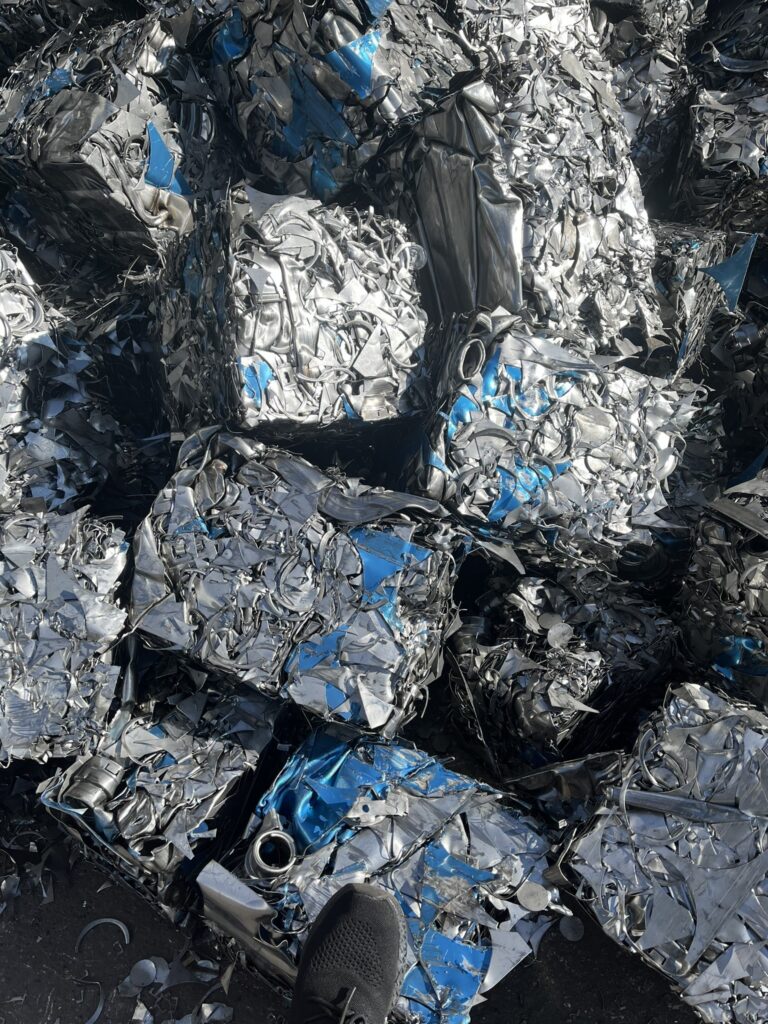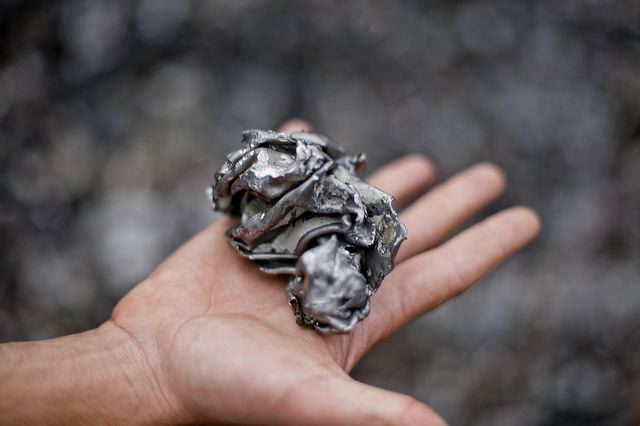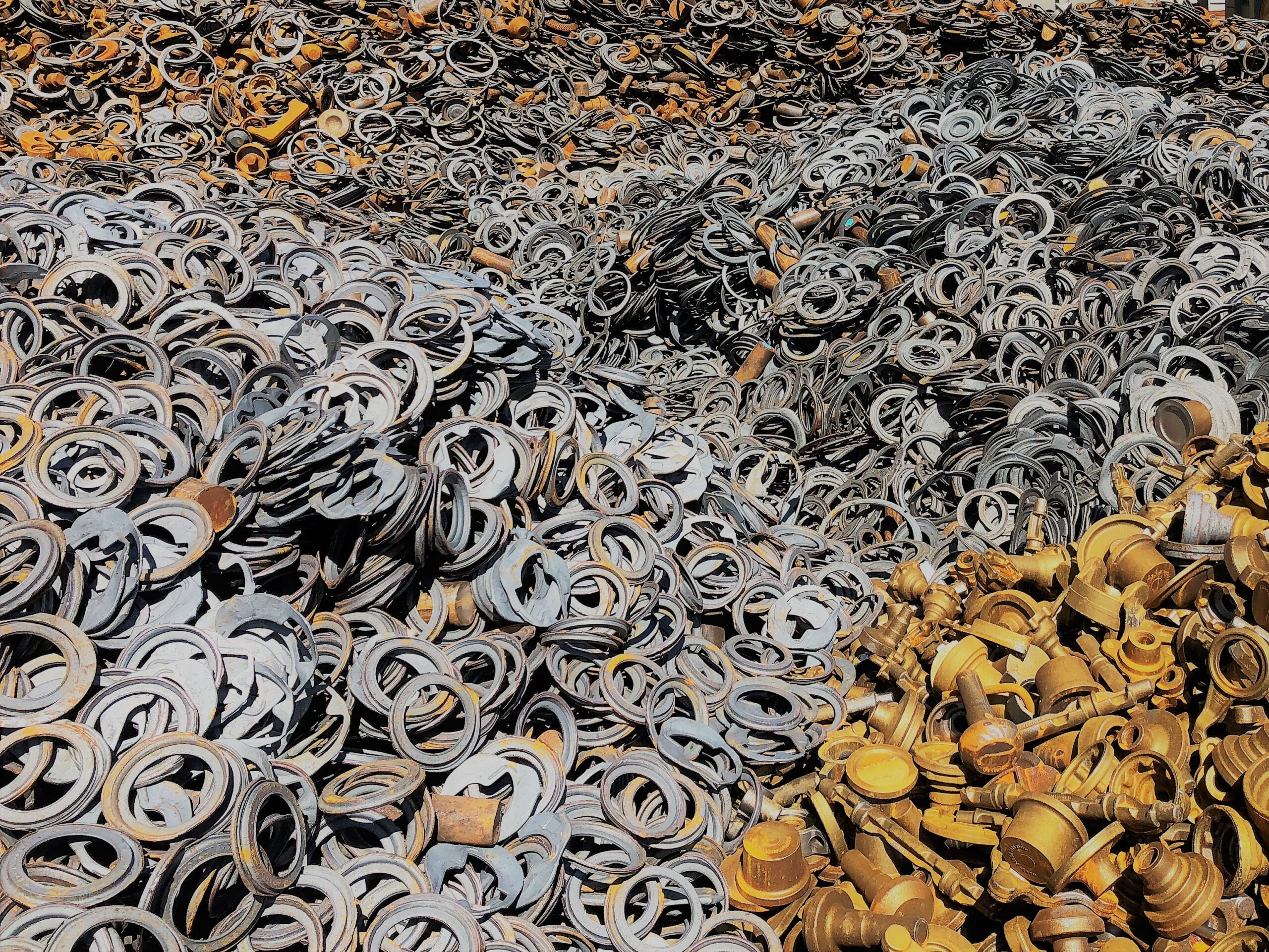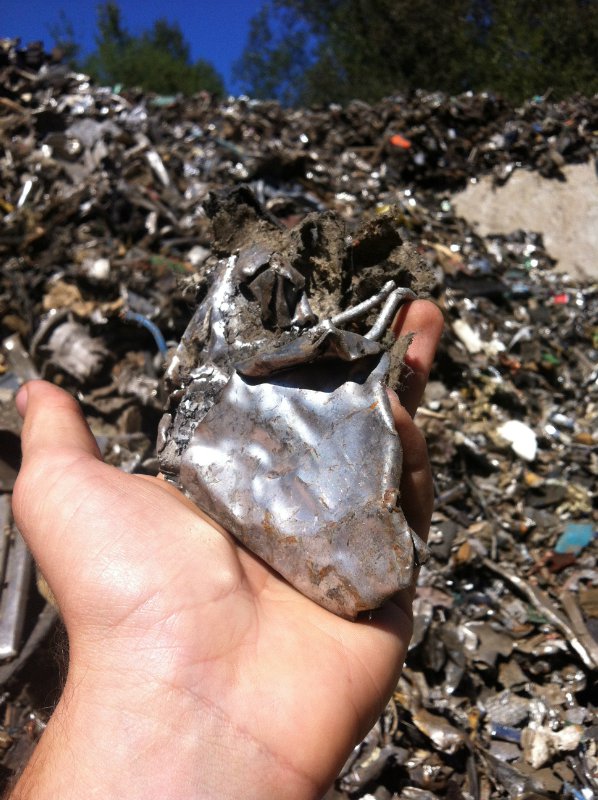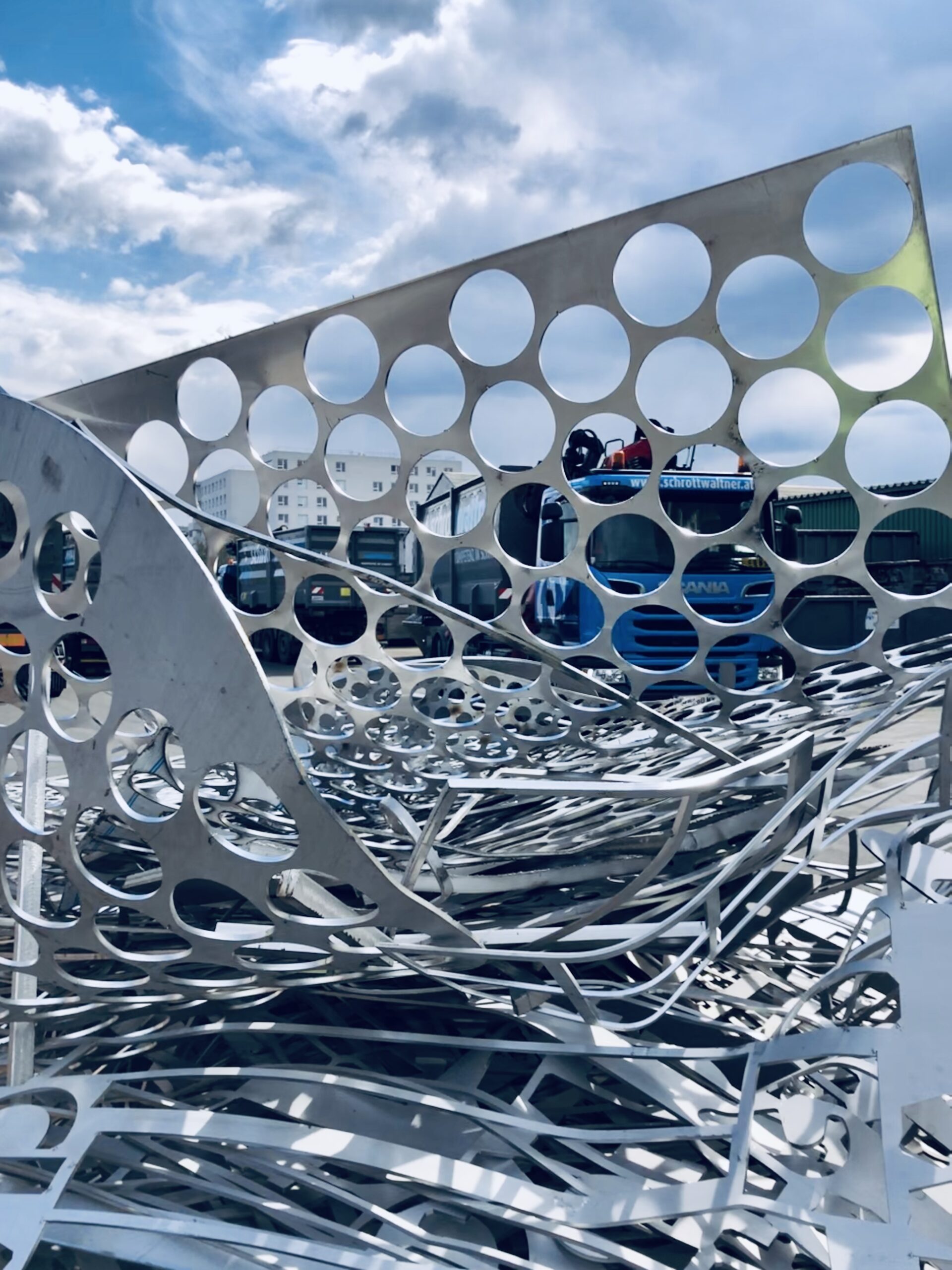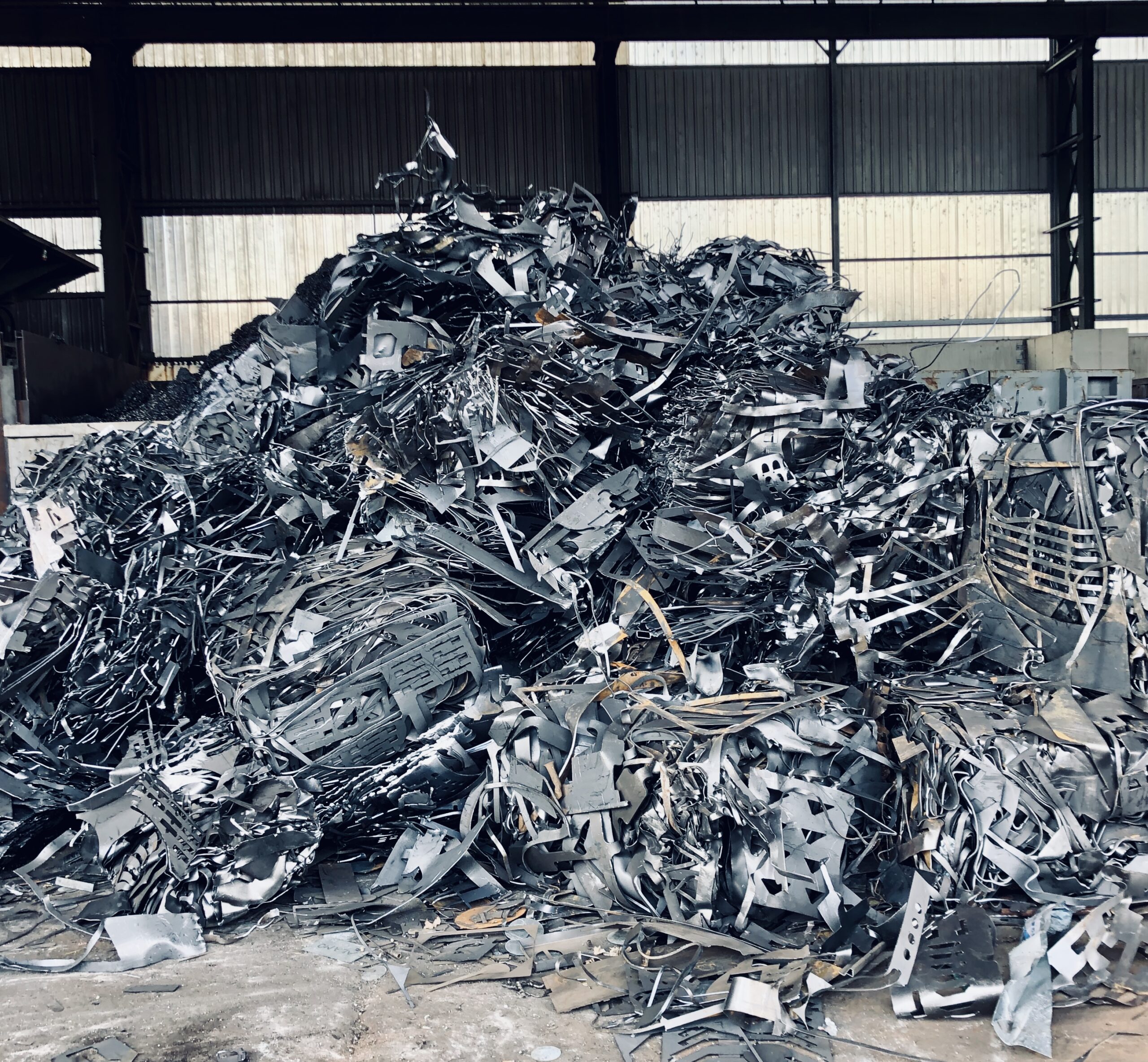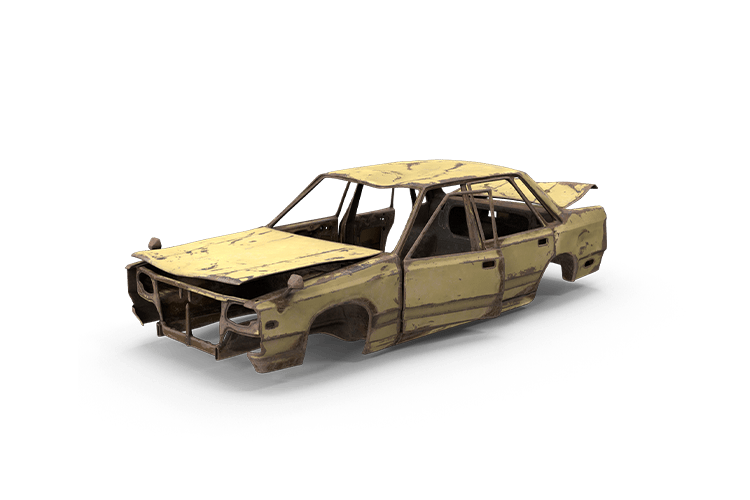
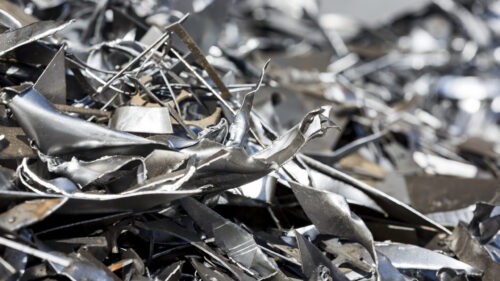
Scrap of this type is characterised by its significantly high iron content. Iron scrap or steel scrap is produced in metal processing companies, i.e. locksmiths or car repair shops. Large quantities of ferrous scrap are produced during the dismantling of sawmills and power plants, the dismantling of locomotives and railway wagons, the demolition of railway tracks and the scrapping of aeroplanes and ships.
Iron scrap is divided into light, heavy and new scrap:
Light scrap has a thickness of up to 6 mm and is generated both in commercial operations and in households. At KUTTIN, these materials are processed for use in steelworks. We process everything from bicycles and washing machines to leftovers from garages and metalworking shops into light scrap.
Light scrap does not contain any bodywork scrap and is free from impurities (non-ferrous metals), debris, wood or plastic.
Heavy scrap is scrap with a thickness of more than 6 mm and is mainly generated during demolition work.
Parts from sawmills or power plants are labelled as heavy scrap. Heavy scrap also includes rails, steel girders or “iron and sheet metal debris” from locomotives or ships.
This refers to sheet metal waste with a high iron content and high analytical purity, free of any residual materials and coatings.
This consists of parts predominantly thicker than 3 mm prepared for direct use as a raw material.
This consists of parts predominantly thinner than 3 mm prepared for direct use as a raw material.
This refers to sheet metal waste with a high iron content and high analytical purity, free of any residual materials and coatings.
This consists of parts predominantly thicker than 3 mm prepared for direct use as a raw material.
This consists of parts predominantly thinner than 3 mm prepared for direct use as a raw material.
Shredder steel scrap consists of steel pieces of which 95% have a maximum size of 200 mm, the remaining 5% measuring a maximum of 1000 mm. The scrap is free from excessive moisture, loose pieces of cast iron and waste incineration scrap, in particular tin cans.
Furthermore, shredded steel scrap is free of visible copper, tin, lead and debris in order to achieve the desired analysis values.

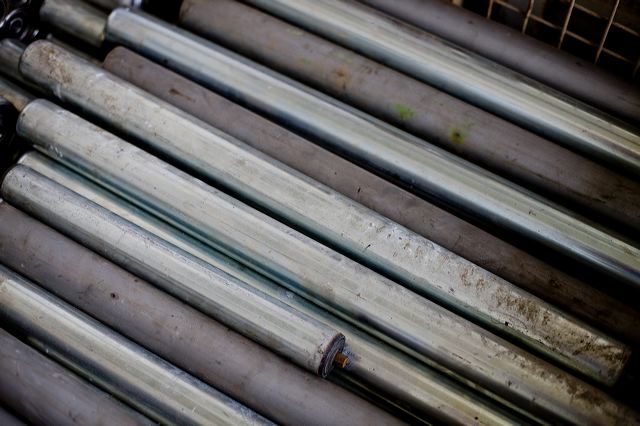
The alloy composition, post-treatment, forming and heat treatment of the steels have a decisive influence on their utilisation properties.
Steel grades are divided into three classes according to DIN EN 10020.
Flame cutting mats
Structural steels
Nickel < 2.5%
Nickel > 2.5%
Corrosion-resistant,
heat-resistant,
high-temperature resistant
Stainless steels
Special qualities
Sortenrein getrennt, kontrolliert und aufbereitet wird aus vermeintlichem „Müll" wertvoller Sekundärrohstoff. Der angelieferte Schrott wird an unseren Standorten gewogen, gemäß den hohen Sicherheitsbestimmungen kontrolliert und entsprechend der Qualitätsbeurteilung in zahlreiche Sorten getrennt. Bis zur Aufbereitung werden die Schrotte zwischengelagert, nach dem Sortier- und Produktionsprozess nochmals qualitätsgeprüft und für den Versand chargiert und gewogen.